

Budget-Friendly Small Space Interior Design Ideas That Completely Transform Tight Areas


Small homes, studio apartments, and compact living spaces are becoming more common, especially in cities where space is limited, and prices continue to rise. Because of this, small space interior design ideas have become a major focus in modern home planning. The goal is no longer just to fit furniture into a room, but to make every corner feel functional, open, and comfortable without overspending.
Today’s design discussions highlight how small spaces can still feel luxurious with the right approach. Smart layouts, multi-functional furniture, and simple visual tricks are making it easier than ever to transform tight areas into stylish homes. The rise of budget-friendly solutions from brands like IKEA, Muji, Wayfair, and West Elm has also made good design more accessible without requiring major renovations.
At its core, modern small space interior design is about maximizing what already exists. It focuses on light, storage, flexibility, and flow. Instead of adding more things, the goal is to make existing space work smarter, not harder.
Why Small Spaces Need Smarter Design Thinking
Small spaces need more intention because every square meter counts. Unlike larger homes, there is little room for unused corners or oversized furniture. Without proper planning, compact rooms can quickly feel cluttered and uncomfortable.
Recent design insights emphasize that small homes are not a limitation but an opportunity to create efficient and cozy environments. Many designers now focus on reducing visual noise while increasing functionality.
- Limited space requires intentional layout planning
- Each piece of furniture must be functional and purposeful
- Clutter impacts both comfort and mental clarity
- Smart design improves flow and usability
Good small space interior design ideas prioritize simplicity. When unnecessary items are removed and functional design is prioritized, even the smallest room can feel open and breathable.
Core Principles Of Small Space Interior Design Ideas
Strong design in small spaces is built on a few essential principles that guide the planning and decorating of rooms. These principles help create balance while preventing overcrowding.
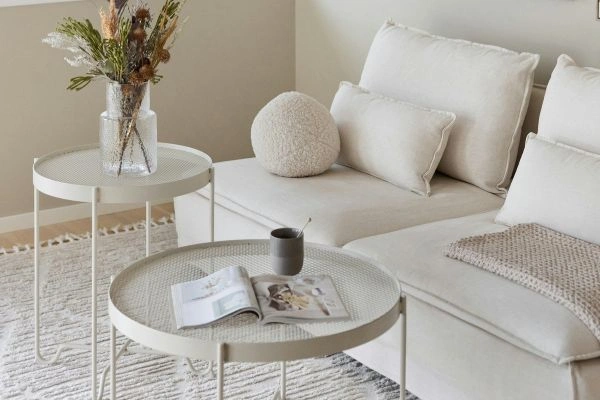
The first principle is functionality. Every item should have a defined purpose. The second is visual openness, which involves keeping sightlines clear and avoiding bulky furniture placement. The third is consistency, where colors and materials are kept simple to reduce visual clutter.
- Function over decoration
- Open sightlines for better flow
- Consistent color palettes for harmony
- Lightweight furniture for flexibility
Designers also recommend using fewer, higher-quality items. Instead of filling a room, each piece should support daily living. This approach aligns with modern small space interior design trends that focus on minimal yet effective living environments.
Budget-Friendly Small Space Interior Design Ideas That Work Instantly
Budget-friendly design solutions have become extremely popular because they offer high impact without high cost. Many small changes can completely transform tight spaces without renovation work.
One of the most effective strategies is rearranging furniture. Another is adding mirrors to reflect light and visually expand rooms. Simple storage upgrades also help reduce clutter instantly.
- Rearranging furniture for better flow
- Using mirrors to create depth
- Adding under-bed or vertical storage
- Choosing foldable or stackable furniture
Affordable retailers like IKEA and Wayfair offer compact furniture designed specifically for small spaces. These pieces are often modular, lightweight, and easy to move, making them ideal for renters and apartment living.
Even small upgrades like wall hooks, floating shelves, and slim storage units can significantly improve space efficiency without major spending.
Smart Furniture Choices For Compact Living Spaces
Furniture selection plays a major role in how functional a small space feels. Oversized furniture can overwhelm a room, while well-chosen pieces can make it feel larger and more organized.
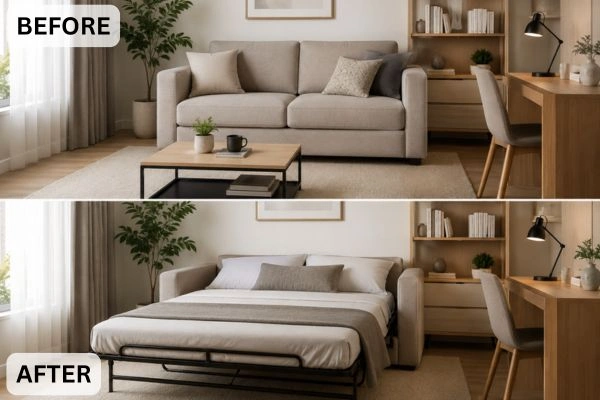
One of the strongest trends in modern small space interior design is multi-functional furniture. These include sofa beds, extendable tables, and storage ottomans.
- Sofa beds for dual-purpose living rooms
- Extendable dining tables for flexibility
- Storage ottomans for hidden organization
- Wall-mounted desks for space-saving
Brands like IKEA and Muji are known for minimalist furniture that fits well in small apartments. Their designs often focus on clean lines and compact proportions, making them ideal for tight layouts.
Choosing furniture with exposed legs can help create a sense of openness by allowing light to flow underneath, making rooms feel lighter.
Storage Solutions That Eliminate Clutter Fast
Clutter is a major challenge in small spaces. Without proper storage, even well-designed rooms can quickly feel messy and overwhelming.
Smart storage solutions focus on using unused areas such as vertical walls, corners, and under-furniture spaces. This helps make the most of every inch of available space.
- Wall-mounted shelves for vertical storage
- Under-bed storage boxes for hidden organization
- Corner shelves for unused areas
- Hanging organizers for closets and doors
Hidden storage is especially effective because it keeps everyday items out of sight while maintaining easy access. This approach is widely used in modern small space interior design to maintain clean, functional living spaces.
Lighting Strategies To Make Small Rooms Feel More Spacious
Lighting has a powerful impact on how large or small a room feels. Poor lighting can make even a spacious area feel tight, while good lighting visually opens it up.
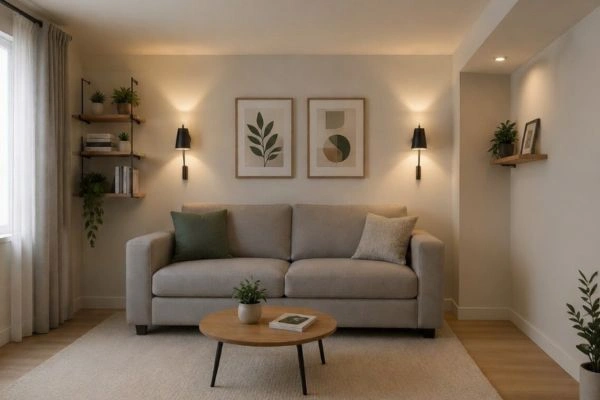
Natural light should be maximized whenever possible. Lightweight curtains or sheer fabrics help allow sunlight to spread throughout the room. Artificial lighting also plays a major role in shaping the atmosphere.
- Opt for layered lighting rather than relying on a single source
- Add wall-mounted or ceiling lights to save space
- Use warm lighting for comfort and depth
- Reflect light using mirrors for expansion
Brands like Philips and West Elm offer lighting solutions designed for compact interiors. Proper lighting not only improves visibility but also enhances emotional comfort inside small homes.
Color Choices That Visually Expand Small Spaces
Color selection is one of the simplest ways to influence how large a room feels. Light and neutral tones tend to reflect more light, making spaces feel open and airy.
Soft whites, beiges, light grays, and pastel shades are commonly used in small space interior design ideas because they create a calm, uncluttered visual effect.
- Light colors make rooms feel larger
- Neutral tones reduce visual noise
- Accent colors add personality without clutter
- Monochrome palettes create visual harmony
Dark colors can still be used, but usually as accents rather than full wall coverage. When balanced correctly, they can add depth without making the space feel smaller.
Vertical Space Utilization For Maximum Efficiency
In small homes, walls are often underused. Vertical space provides one of the best opportunities for storage and organization without taking up floor space.
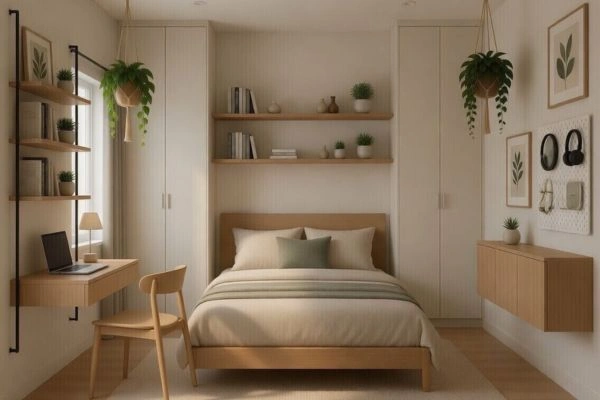
This design approach focuses on building upward instead of outward, which is essential for compact living environments.
- Tall shelving units for storage efficiency
- Wall-mounted cabinets to free floor space
- Hanging plants for decorative height use
- Pegboards for flexible organization
Vertical design strategies are widely used in modern small space interior design ideas because they increase storage without affecting room movement. This helps maintain both function and openness.
Room-By-Room Small Space Design Approaches
Each room in a small home requires a slightly different design strategy depending on how it is used daily.
Living rooms should focus on flexibility and seating efficiency. Bedrooms should prioritize comfort and storage. Kitchens should emphasize organization and accessibility.
- Living rooms benefit from modular seating
- Bedrooms need under-bed storage solutions
- Kitchens require vertical organization systems
- Bathrooms benefit from wall-mounted fixtures
Retailers like IKEA and Muji offer room-specific solutions designed for compact living. These products help maintain consistency while optimizing functionality across different areas.
Common Mistakes In Small Space Interior Design
Many small spaces feel cramped, not because of their size but because of design mistakes. Avoiding these errors can instantly improve comfort and usability.
One common mistake is overcrowding rooms with too much furniture. Another is ignoring vertical space or relying on poor lighting.
- Overfilling rooms with unnecessary items
- Using oversized furniture
- Ignoring storage opportunities
- Poor lighting placement
Another frequent issue is a lack of planning. Without a clear layout, even well-decorated rooms can feel disorganized and inefficient.
Modern Trends In Small Space Living
Recent design trends indicate a strong shift toward flexible, adaptable living spaces. Compact homes are now designed to serve multiple functions within the same area.
Minimalist aesthetics continue to dominate, while modular furniture and smart storage systems are becoming more common. Many designers now focus on creating rooms that can adapt to daily needs.
- Modular and flexible furniture systems
- Minimalist and clutter-free design
- Smart storage integration
- Multi-purpose room layouts
These trends reflect how small-space interior design is evolving toward a more practical, lifestyle-focused approach.
Frequently Asked Questions
- What Are The Best Small Space Interior Design Ideas?
The best small space interior design ideas include using multi-functional furniture, maximizing vertical storage, improving lighting, and choosing light, neutral color palettes to create a more open feel.
- How Do You Make A Small Room Look Bigger?
Small rooms can look bigger by using mirrors to reflect light, sticking to light colors, keeping furniture minimal, and layering lighting to add depth and openness.
- What Furniture Works Best In Small Spaces?
Space-saving furniture such as sofa beds, foldable tables, storage ottomans, and wall-mounted desks work best because they combine function with compact design.
- How Important Is Lighting In Small Space Design?
Lighting plays a major role in small space interior design because it affects how open or closed a room feels. Good lighting makes compact spaces appear larger, brighter, and more comfortable.
- What Is The Biggest Design Mistake In Small Living Spaces?
The biggest mistake is overcrowding the space with too much furniture while ignoring vertical storage and layout planning, which makes rooms feel cramped and less functional.
Space-Saving Solutions for Smarter Living
Small spaces are no longer seen as limiting when designed correctly. With the right small space interior design ideas, even the smallest apartment can feel open, stylish, and highly functional. Smart furniture choices, efficient storage systems, and thoughtful lighting all work together to improve daily living.
Modern small space interior design focuses on simplicity, flexibility, and comfort. Instead of filling rooms with more items, the goal is to create balance and usability. As design trends continue to evolve, compact living is becoming not only practical but also highly desirable.