

Why An LED Ceiling Light Can Completely Change The Mood Of Your Home Overnight


Lighting has become one of the most important elements in modern home design. While paint, furniture, and décor still matter, the overall mood of a room often depends more on lighting. Harsh or cold bulbs can make even a well-designed space feel unwelcoming, while a well-placed LED Ceiling Light can quickly create a warmer, more modern, and more comfortable atmosphere.
Homeowners are also becoming more conscious of how lighting affects daily life. It influences mood, sleep, productivity, and even long-term comfort inside the home. This growing awareness has increased demand for smart lighting systems that can adapt throughout the day. Popular brands such as Philips Hue, Govee, Nanoleaf, IKEA, and LIFX continue to push the boundaries of innovation with more flexible and intelligent lighting solutions that turn ceiling lights into essential design and lifestyle features.
How Lighting Changes The Way A Room Feels
Lighting has a direct impact on how a space feels the moment it is turned on. It can completely change a room’s mood without any physical redesign. This is why lighting is treated as a core design element in hotels, restaurants, and luxury interiors.
A properly designed LED Ceiling Light evenly illuminates a space, improving visibility while shaping the atmosphere. Unlike older lighting systems that produced harsh glare or uneven brightness, modern LED designs provide smoother, more controlled illumination.
Key Effects Of Lighting On Mood
- Bright white lighting increases alertness and focus
- Warm lighting creates a relaxed and cozy environment
- Even lighting reduces shadows and visual imbalance
- Adjustable lighting supports different daily activities
Interior designers now treat ceiling lighting as part of the room’s structure rather than just a fixture. It influences how colors, textures, and furniture appear throughout the day.
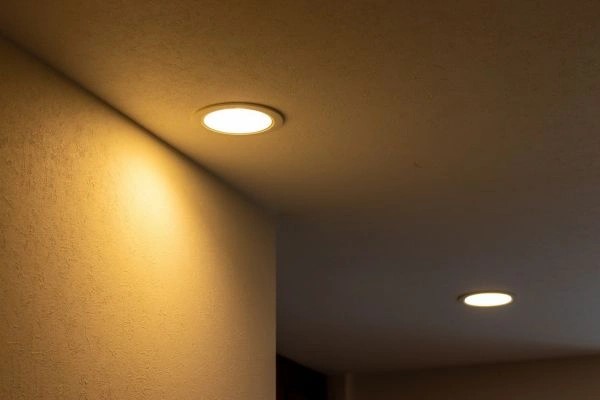
Smart lighting systems have also changed user expectations. Instead of a single fixed setting, homeowners now expect lighting that adjusts to activity or the time of day. For example:
- Bright light for cleaning or working
- Warm dim light for relaxation or movies
- Soft ambient lighting for evenings
This flexibility is now easily achieved through apps, voice assistants, or automated lighting schedules.
Why LED Ceiling Light Technology Has Become So Popular
LED lighting has grown far beyond its original appeal of energy savings. Today, LED Ceiling Light systems offer improved performance, design flexibility, and smart integration that older lighting technologies cannot match.
Major Advantages Of LED Ceiling Lights
- Lower energy consumption compared to incandescent bulbs
- Longer lifespan with reduced maintenance needs
- Slim and modern fixture designs
- Better brightness and color control
LED lights also generate less heat, making them safer and more efficient for long-term use. Many homeowners appreciate that they reduce electricity costs while providing consistent lighting quality.
Smart Integration And Ecosystems
Modern LED lighting systems now connect seamlessly with smart home platforms, including:
- Philips Hue ecosystem
- Govee smart lighting systems
- Nanoleaf lighting panels
- Alexa and Google Home compatibility
- Apple HomeKit and Matter support
These integrations allow lighting to become part of daily routines instead of functioning as a standalone fixture.
The Emotional Impact Of Warm And Cool Lighting
Lighting not only affects visibility, but it also influences emotions. Color temperature plays a major role in how comfortable or energized a space feels.
Warm Vs Cool Lighting Effects
- Warm lighting feels relaxing, soft, and inviting
- Cool lighting feels clean, bright, and energizing
- Warm tones suit bedrooms and living rooms
- Cool tones suit kitchens and workspaces
Smart LED Ceiling Light systems make switching between these moods effortless.
Real-Life Applications
- Dining rooms feel more intimate with warm light
- Home offices improve focus with cooler lighting
- Bedrooms benefit from softer, dimmable tones
Modern systems can also follow circadian lighting patterns, gradually adjusting brightness and tone throughout the day to support natural sleep and wake cycles. Some users report improved sleep quality and reduced eye strain after switching to adaptive lighting setups.
Smart Lighting Is Reshaping Modern Homes
Smart lighting is no longer a luxury feature. It is now a standard part of modern home upgrades, especially in connected households.
Key Smart Lighting Features
- Voice control through Alexa or Google Assistant
- Mobile app control for brightness and color
- Automation based on time or motion
- Entertainment syncing with music or video
Leading brands include:
- Philips Hue for premium reliability
- Govee for affordable smart features
- Nanoleaf for decorative wall-style lighting
Recent Govee innovations introduced ceiling systems that simulate skylight effects, while Philips Hue expanded entertainment synchronization for gaming and media experiences.
These advancements show that lighting is becoming part of entertainment, comfort, and automation rather than just illumination.
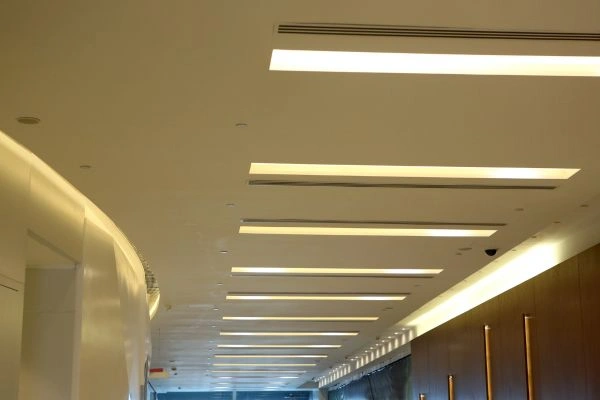
Choosing The Right LED Ceiling Light For Each Room
Every room requires different lighting based on function, size, and usage. Choosing the right setup improves both comfort and practicality.
Living Rooms
Living rooms need flexible lighting that supports both relaxation and activity.
- Central LED Ceiling Light for general brightness
- Warm, adjustable tones for comfort
- Accent lighting for depth
- Smart RGB options for entertainment
Bedrooms
Bedrooms require soft and calming lighting for better rest.
- Warm white lighting for relaxation
- Dimmable brightness control
- Gradual night dimming features
- Minimal glare for comfort
Kitchens
Kitchens need clear and functional lighting for cooking tasks.
- Bright, cool white lighting for visibility
- Recessed LED systems for even coverage
- Shadow-free illumination over countertops
Home Offices
Workspaces require lighting that supports focus and reduces fatigue.
- Cool daylight tones for alertness
- Adjustable brightness for screen use
- Flicker-free LED lighting for eye comfort
Minimalist Lighting Designs Are Becoming The Standard
Modern interior design trends strongly favor simplicity and clean visual lines. Ceiling lights are now designed to blend into spaces rather than dominate them.
Popular Minimalist Features
- Slim LED ceiling panels
- Flush mount fixtures
- Hidden light diffusion systems
- Matte black, white, or gold finishes
Minimalist lighting helps rooms appear larger and more organized. It also complements modern architectural styles that focus on open spaces and clean layouts.
Some smart lighting products now include artistic lighting effects, such as gradients, animated transitions, and customizable scenes that turn ceilings into visual design elements.
Energy Efficiency Remains A Key Advantage
Even as smart features gain attention, energy efficiency remains a major reason to choose LED lighting.
Energy Benefits Of LED Ceiling Lights
- Lower electricity consumption
- Reduced long-term energy costs
- Longer product lifespan
- Less frequent replacements
Smart systems also improve efficiency through:
- Motion detection
- Automatic scheduling
- Occupancy-based lighting control
These features help reduce unnecessary energy use, especially in large homes or frequently used spaces.
Entertainment Lighting Is Now Mainstream
Lighting is now part of home entertainment experiences. It is no longer limited to functional use.
Entertainment Lighting Features
- Syncs with movies and games
- Reacts to music and sound
- Creates immersive ambient effects
- Enhances home theater setups
Philips Hue remains a leader in entertainment lighting, while Govee offers affordable alternatives with colorful effects. Many users now expect lighting to enhance the viewing experience rather than remain static.
Common Mistakes In Ceiling Lighting Design
Many homeowners still make mistakes when selecting lighting for their homes.
Frequent Mistakes
- Choosing lighting that is too bright
- Ignoring color temperature differences
- Using oversized or undersized fixtures
- Relying on a single ceiling light only
- Overlooking smart system compatibility
A balanced lighting setup that combines ceiling lights, accent lighting, and natural light creates a more comfortable and visually appealing space.
Lighting And Wellness Design Trends
Lighting is increasingly connected to wellness and lifestyle design. It is no longer only about seeing clearly, but also about supporting both mental and physical health.
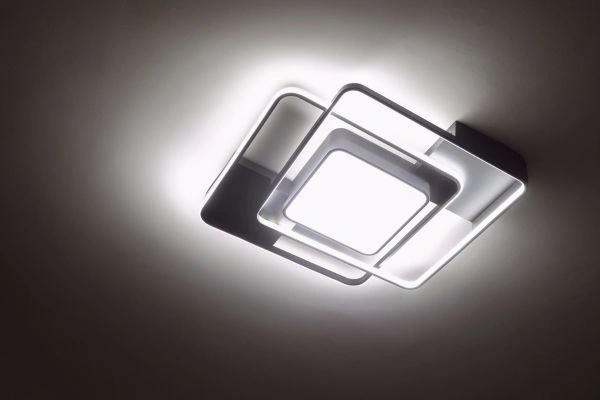
Wellness-Focused Lighting Trends
- Circadian rhythm lighting systems
- Daylight simulation features
- Stress-reducing warm tones
- Eye strain reduction technology
Modern LED ceiling systems are designed to mimic natural daylight patterns, helping support healthier sleep cycles and more balanced daily energy levels.
Modern LED Ceiling Light Design Trends
Several key trends are influencing the future of home lighting.
Key Trends
- Smart home integration and automation
- Minimalist and hidden designs
- Adaptive brightness systems
- Entertainment-focused lighting
- Energy-efficient sustainable solutions
These trends show that lighting is becoming more intelligent, personalized, and integrated into everyday living.
Frequently Asked Questions
- Can An LED Ceiling Light Affect Mood?
Yes. Lighting has a direct impact on mood by changing how a space feels. Warm lighting promotes relaxation, while cooler lighting supports focus and energy.
- What Is The Ideal Lighting For A Living Room?
Warm white lighting between 2700K and 3000K is usually ideal for living rooms because it creates a cozy and inviting atmosphere suitable for both relaxation and social activities.
- Are Smart Ceiling Lights Worth It?
Yes. Smart LED ceiling lights provide convenience, automation, and customizable lighting scenes that make everyday living more comfortable and flexible.
- How Long Do LED Ceiling Lights Last?
Most LED ceiling lights can last several years, depending on usage and quality, often significantly longer than traditional lighting options.
- Which Brands Are Most Reliable?
Trusted brands include Philips Hue, Govee, Nanoleaf, IKEA, and LIFX, all known for reliable performance and smart lighting innovation.
Wrapping Up The Impact Of Smart Ceiling Lighting
A well-designed LED Ceiling Light does far more than brighten a room. It shapes mood, improves comfort, supports productivity, and enhances the overall experience of living spaces. With modern technology, lighting is no longer static but adaptive, intelligent, and deeply connected to daily life.
As homes continue to evolve, lighting is becoming a central part of design rather than an afterthought. The move toward smarter, more adaptable, and energy-efficient lighting reflects a meaningful and lasting change in how people experience their homes.