

Floating Bathroom Vanity vs Traditional Vanity: Which One Actually Adds More Value to Your Home?


Choosing the right bathroom vanity is not just about looks. It influences how your bathroom functions, how spacious it feels, and even your home’s resale value. In recent design trends, the floating bathroom vanity has risen to prominence as a modern, practical option for many homeowners, particularly in new builds and renovations. This article breaks down how floating vanities compare to traditional styles, the advantages and drawbacks of each design, and how to choose the right style for your space, lifestyle, and needs.
This guide includes expert opinions, design insights, and practical advice from trusted sources to help you make the best decision for your bathroom remodel or upgrade. Whether you have a small bathroom or a large main suite, understanding the differences between vanity types can help you invest in one that improves both your daily life and your home’s value.
What Is a Floating Bathroom Vanity?
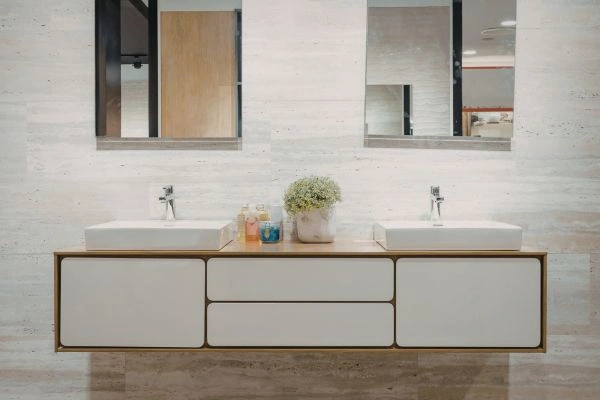
Before comparing styles, it helps to understand what makes a floating bathroom vanity unique. A floating vanity is mounted directly to the wall so that the cabinet does not touch the floor. This makes the unit appear to float above the ground, giving the space cleaner lines and a less cluttered visual feel. Floating vanities often come with a sink integrated into the countertop or with a separate small bathroom vanity with a built-in sink, depending on the model chosen.
Floating vanities have evolved from high‑end design features into practical solutions for many bathrooms. They are often associated with modern and minimalist interiors, yet current options include a broader range of styles and finishes that suit traditional or transitional bathrooms as well. Because these vanities do not sit on legs or a base, they create a visual sense of openness that can make even smaller bathrooms feel larger and more inviting.
In contrast, a traditional vanity sits on the floor and often resembles furniture. These vanities typically offer larger cabinets and drawers with more enclosed storage space beneath the countertop. Many homeowners choose them for their classic look, practical storage capacity, and ease of installation.
Space and Visual Impact
How Floating Vanities Enhance Small Bathrooms
One of the most talked‑about benefits of a floating bathroom vanity is its ability to expand space visually. In compact bathrooms, floor space is precious. Removing the bulk of a floor‑standing vanity instantly opens up more visible floor area and makes the room feel less crowded. This can be a huge advantage in layouts where every square inch counts, like powder rooms or small guest bathrooms.
Because the unit does not reach the floor, cleaning becomes easier. You can sweep or mop under the vanity without having to navigate around legs or a base. This factor appeals to homeowners who want both cleaner lines and simpler maintenance.
Floating vanities also let designers play with lighting and accessories at the floor level. Some homeowners opt to place a soft light underneath the vanity to cast a warm glow, adding a spa‑like atmosphere that enhances daily routines.
Traditional Vanities and a Grounded Look
Traditional bathroom vanities offer a more solid and grounded presence. Because they sit on the floor, they can complement traditional or transitional bathroom designs that value symmetry, richness, and timeless style. They can also visually anchor a room, especially in larger bathrooms with ample space.
However, this style can feel heavy in smaller spaces. The continuous cabinet base can block sightlines and create visual clutter, making a modest bathroom feel closed in. Many people who choose traditional vanities in small bathrooms rely on clever color palettes and lighting to offset this effect.
Traditional vanities can also house larger, more intricate design elements, such as carved legs, paneled doors, or marble tops that lean into classic design sensibilities. This can add a distinct personality, but sometimes at the expense of a more modern, airy feel.
Storage and Functionality
Storage Capacity: Floating Vanity vs Traditional
Traditional vanities often win out in sheer storage capacity. Because they extend to the floor, these units can accommodate deep drawers, large cabinets, and additional shelving. For families or bathrooms that hold many products and linens, this storage space can be a real advantage.
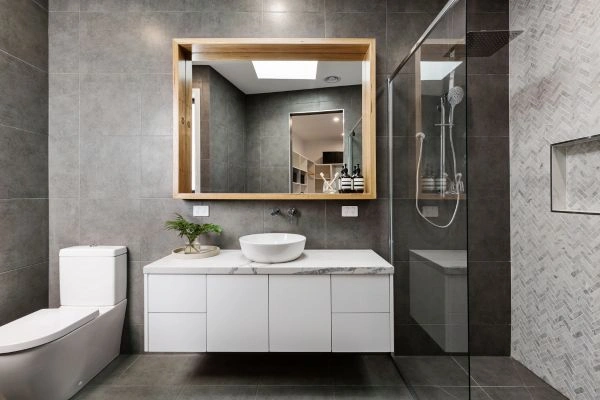
Floating vanities offer storage, too, though usually in a more compact way. Many wall‑mounted units feature drawers or cabinets that are cleverly designed to maximize room within a smaller profile. This can work well for everyday toiletries, towels, and cleaning supplies, but it may not provide as much space as a large traditional vanity, especially in busy family bathrooms.
For small bathrooms that require a vanity with a sink, floating units often include integrated storage below the sink, balancing functionality with space savings. Some models in this category, like the Tatayosi 18 Inch Small Floating Bathroom Vanity with Single Sink, are tailored to compact spaces and still provide organized storage without eating up floor area.
Accessibility and Daily Use
Floating vanities offer customization, as you can mount them at a height that works best for daily use. This feature is particularly helpful in shared bathrooms or homes with users of different heights. You can choose a height that reduces strain and makes routines more comfortable.
Traditional vanities, set at standard heights, may require additional adjustments or steps for younger children or shorter users. However, they often offer a simpler installation path and a stable base for heavy countertops.
Installation and Maintenance
Installation Considerations
Floating bathroom vanities usually require more complex installation than traditional units. Because the unit must be anchored directly to wall studs and support both its own weight and that of the sink and daily-use items, secure bracing is essential. This sometimes means professional help or reinforcement of existing walls before installation.
Traditional vanities, on the other hand, sit on the floor and do not need the same level of wall support. This often makes them quicker and easier to install, particularly in existing bathrooms that do not require extensive renovation.
One drawback of floating vanities is that plumbing is often more exposed and visible unless concealed behind wall panels or integrated design elements. This can require thoughtful planning to maintain aesthetics and ensure access for repairs.
Cleaning and Upkeep
Thanks to their lack of a base, floating vanities make floor cleaning easier because there are fewer barriers to navigate. Dust and debris no longer hide under cabinet feet or creep into base crevices. Many homeowners appreciate this as a practical advantage that saves time on regular upkeep.
With traditional vanities, the cabinet base can collect dirt and moisture over time, especially if the bathroom sees heavy use. Careful sealing and regular cleaning are important to maintain these units, especially in humid environments.
Style and Aesthetic Appeal
Modern Aesthetics With Floating Vanities
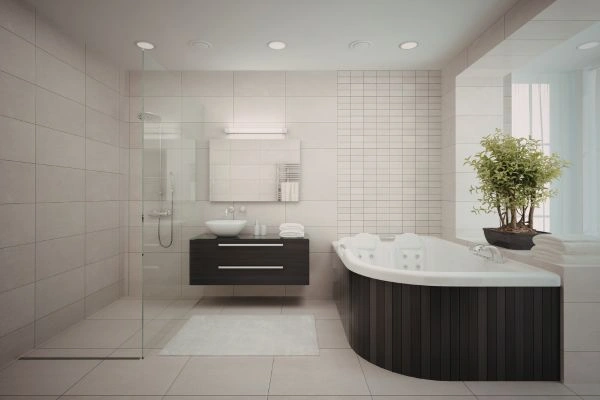
Floating bathroom vanities align with modern and minimalist design trends. Clean lines, uncluttered space, and soft visual weight make them a favorite in contemporary bathroom layouts. They pair well with sleek hardware, integrated sinks, and minimalist lighting.
Even in bathrooms that are not purely modern, floating vanities can provide a refreshing contrast to traditional elements. This blend of styles can create a balanced space that feels current yet welcoming.
Floating vanities are especially effective in rooms that aim for a calm, spa‑like feel. When paired with thoughtful materials such as light wood, stone tops, or matte finishes, they help create a sanctuary‑like environment that elevates daily routines.
Classic Charm of Traditional Vanities
Traditional vanities often carry visual weight and character that align with classic or transitional interiors. Rich wood tones, ornate hardware, and detailed craftsmanship create a sense of permanence and warmth.
These vanities can anchor a room with a timeless presence, especially when paired with tile work, decorative mirrors, or vintage fixtures. For bathrooms with a heritage feel or traditional home design, this style can feel right at home and resonate with the overall architectural theme.
Cost and Resale Value
Installation and Material Costs
In many cases, installing a floating bathroom vanity can be more costly than installing a traditional one. The need for secure wall mounting and potential reinforcement increases labor costs. Additionally, materials like custom cabinetry and integrated sinks may further increase the budget.
Traditional vanities typically cost less to install because they do not require specialized wall support. You can choose from a wide range of materials and styles to suit different budgets, from simple laminate cabinets to solid-wood units.
How Each Vanity Type Affects Home Value
Both floating and traditional vanities can add value to a home when chosen wisely. A well‑designed bathroom renovation with a floating vanity can impress buyers who value contemporary design and smart use of space. This is especially true in smaller bathrooms where a floating vanity helps the room feel larger and more functional.
Traditional vanities with ample storage and classic styling are appealing to buyers who prefer timeless designs and practical storage. In larger bathrooms, a traditional vanity can enhance the sense of luxury and storage capacity that many home buyers seek.
Ultimately, the choice should align with your target market and home style. If you’re selling a modern or recently updated home, a floating vanity may add that wow factor. In family homes or older properties with classic architecture, a traditional vanity might resonate better with buyers.
When to Choose Each Vanity Type
When a Floating Vanity Makes Sense
A floating bathroom vanity is often ideal for:
- Small or compact bathrooms where visual space matters most.
- Modern or minimalist design themes.
- Bathrooms where easy floor cleaning is a priority.
For example, a Weibath 31″ Bathroom Vanity, Floating Bathroom Sink Cabinet, or Wade Logan® Anbal 30-inch Bathroom Vanity with Sink, floating provides sleek aesthetics and practical storage while keeping the floor visible for a lighter feel.
When a Traditional Vanity Makes Sense
Traditional vanities work well when:
- You need maximum enclosed storage.
- The bathroom style leans toward classic or transitional designs.
- The installation budget is more limited.
Bathroom spaces that host many users or require large storage might benefit from a traditional option, such as a solid-wood vanity with deep drawers and cabinets.
Frequently Asked Questions
- What Is A Floating Bathroom Vanity?
A floating bathroom vanity is wall‑mounted and appears to hover above the floor. It can make a bathroom feel more spacious and open.
- Are Floating Vanities Good For Small Bathrooms?
Yes. Floating vanities create an open feel and free up floor space, making them especially beneficial in smaller bathrooms.
- Do Traditional Vanities Offer More Storage?
Generally, traditional vanities provide more enclosed storage because they reach the floor and have deeper cabinets and drawers.
- Is Installing a Floating Vanity Difficult?
Yes. Floating vanities require secure wall mounting and proper support, which can make installation more complex than traditional units.
- Does A Modern Floating Vanity Increase Home Value?
A well‑chosen floating vanity can enhance a bathroom’s design appeal and boost resale value, especially in homes with a contemporary style.
Which Vanity Adds More Value?
Both floating and traditional vanities offer unique advantages that can add value to a home when used appropriately. Floating bathroom vanities tend to enhance the sense of space and create a modern, clean look that appeals to buyers who value contemporary design. At the same time, traditional vanities deliver classic appeal and greater storage capacity, which many homeowners still appreciate.
When considering resale value, functionality, design preference, and daily use, the key is to choose a bathroom vanity that complements the space and enhances overall home flow. A thoughtfully chosen floating or traditional vanity can be a highlight of your bathroom renovation and contribute to a more enjoyable and valuable home overall.