



Keeping a home neat and functional is more than just a weekend chore. A well‑organized space can reduce stress, save time, and even make everyday life more enjoyable. With the right home organization tips and a few smart home organization products, any room can go from chaotic to calm. This article brings together expert advice, product recommendations, and practical strategies from recent reviews and trends to help you create lasting systems that work for your lifestyle.
Whether you’re redesigning a closet, organizing a kitchen, or tackling clutter in a crowded living room, the insights here are designed to help you move beyond quick fixes and build solutions that stick.
Start With a Clear Plan and Declutter First
Assess What You Really Have
Before buying any storage bins or shelving, take time to look at what you truly own. Clutter often builds not because storage is lacking, but because items accumulate without a home or reason to stay. Pull everything out of the area you want to organize, and sort items into categories like keep, donate, and discard. This step makes the rest of your organization much easier because you’re working with what you truly use rather than everything you’ve ever collected.
Professionals often say that decluttering first is foundational to successful organization. Even the best systems can become overwhelmed and fail to solve the underlying problem without reducing your load. This approach makes future organization simpler and prevents unnecessary spending on products that won’t address your real needs.
Create Zones For Specific Tasks
Once items are sorted, think in terms of zones. In a kitchen, this might mean grouping cooking utensils near the stove and placing snack items in a pantry section that kids can reach. In a closet, shoes, purses, and seasonal clothes can each have designated shelves, bins, or hanging spaces. Zones help you and other household members know exactly where things belong, keeping clutter from reappearing.
Zoning also helps when choosing home organization products because you can match a solution to a clear need rather than guessing what might work. This method helps avoid storage products that look good on shelves but don’t improve how you use the space.
Choose the Right Home Organization Products
Look for Quality, Not Just Trends
Not all storage products are created equal. When selecting organizers, choose durable materials and designs that fit your space. Over time, inexpensive bins or flimsy shelves can break, leading to replacements that end up costing more in the long run. Stackable storage bins with clear labeling keep things visible and orderly, while pull‑out under‑sink organizers make hidden spaces easy to use.
According to reviews and trend reports, the best home organization products strike a balance between functionality and style. Products that adapt to different rooms and tasks, like stackable bins, adjustable shelves, and modular closet systems, are worth the investment because they grow with your needs.
Consider Where the Products Go
Different rooms have different needs. In kitchens, over‑door racks and turntables (also known as lazy Susans) help keep spices, cans, and smaller items accessible. Simple drawer dividers work wonders in bedrooms and offices. In living rooms, multifunctional furniture that includes hidden storage helps keep everyday clutter out of sight without sacrificing style.
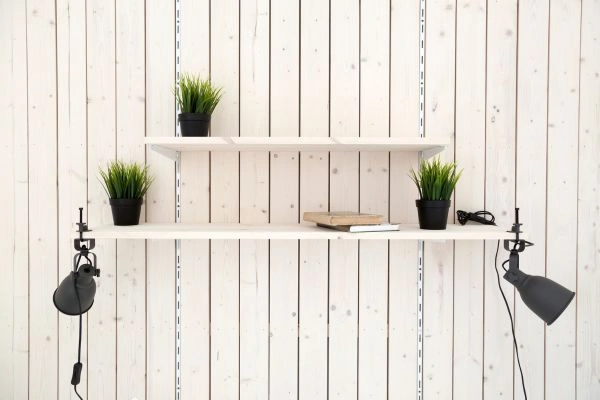
Closets benefit from systems that make use of vertical space and integrate drawer units with hanging rods. IKEA’s customizable shelving systems, such as BOAXEL and ALGOT (available from IKEA), are practical options that work well for many household layouts.
Maximize Space With Vertical and Hidden Storage
Use Vertical Space and Under‑Bed Areas
Walls and unused vertical spaces are among the most underappreciated storage opportunities in a home. Hooks, shelves, and tall cabinets keep items off the floor and make them easily accessible and visible. Under‑bed storage bins are perfect for seasonal clothes, extra bedding, or bulky items that don’t need daily access.
Hidden storage is especially useful in small homes or apartments. Ottomans with compartments, benches with hidden spaces, or rolling carts that fit under counters add functionality without crowding rooms. These solutions keep surfaces clean and make everyday living feel more relaxed.
Optimize Entryways and High‑Traffic Zones
Entryways often become clutter magnets with shoes, bags, and keys piling up. A sturdy shoe rack or bench with built‑in storage offers both a place to sit and a spot to contain everyday items. Wall hooks near doors for coats, backpacks, and reusable bags keep things off the floor and within reach.
In high‑traffic areas, clear labeling and designated baskets or bins make it easy for everyone in a household to put things away. This makes it more likely that an organizational system stays functional long after it’s set up.
Organize Closets for Long‑Term Ease
Install Custom or Modular Systems
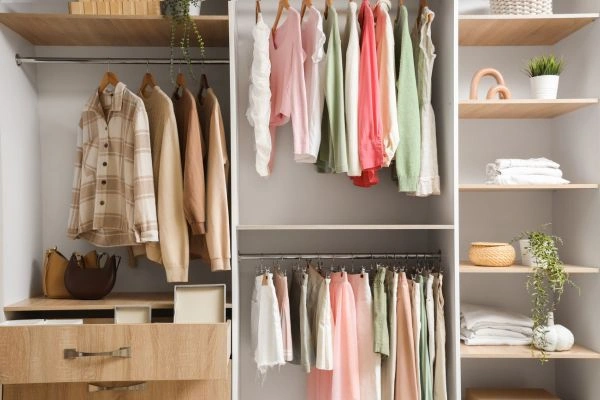
Closet organization can transform how a bedroom feels and functions. Systems with adjustable shelves, drawers, and hanging bars allow more clothes and accessories to fit logically and attractively. Some options, like Rubbermaid closet kits or customizable IKEA systems, slot into existing space without major renovation.
Adding closet dividers, slim hangers, and uniform storage boxes helps clothes stay visible and accessible. This reduces the time spent searching for outfits and keeps surfaces uncluttered. A well‑organized closet is a small investment with a big daily payoff.
Focus on What You Wear Most
A key home organization tip for closets is to keep frequently used items at eye level or easily reachable. Shoes, belts, and accessories can go in labeled bins or on racks, while seasonal items live up high or in less-used areas. Regular maintenance every few months prevents clothes from building up again and keeps the system working for you.
Tackle Kitchen Chaos With Smart Storage
Group Similar Items Together
Kitchens are one of the busiest parts of a home, and organization here can greatly impact how stress‑free meal prep and cleanup feel. Grouping similar items makes sense not just visually but functionally. Baking supplies, breakfast items, and dinner spices each have a logical home, so you know exactly where to look.
Using clear containers, labeled bins, or stackable shelves helps make pantry items visible and easy to reach. This minimizes wasted food and reduces the frustration of digging through packs to find that one jar of spices.
Make Use of Pull‑Out Organizers and Drawers
The space under your sink or in deep cabinets is often wasted. Pull‑out organizers with drawers help make the most of these areas, so cleaning supplies or pots and pans are accessible without a struggle. These products transform hard‑to‑reach areas into useful storage that feels intuitive to use.
Bathroom and Linen Closet Organization
Use Baskets and Clear Labels
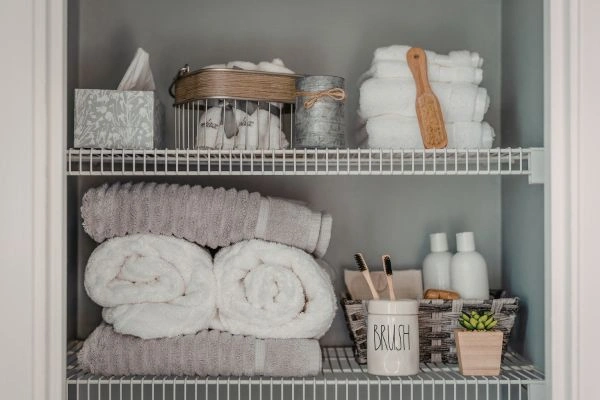
Bathrooms can quickly become cluttered with toiletries, towels, and personal care items. Small baskets help keep items together on shelves or under sinks. Adding clear labels to these baskets makes it easy for everyone in the home to know where items belong, reducing time spent searching for shampoo or toothpaste.
Linen closets benefit from vertical dividers and consistent shelving. Rolling towels and grouping sets inside labeled bins make everything easy to find while maximizing space. Glass jars can hold cotton balls, swabs, or other tiny items, adding a functional and stylish touch.
Avoid Overstuffing and Rotate Stock
A full linen closet looks neat, but it may be hard to use. Instead, rotate stock by season and donate towels or linens that are no longer in use. This streamlines access and keeps shelves tidy. Simple habits like folding sheets into pillowcases or using uniform storage baskets keep systems working well over the long term.
Living Room Organization That Supports Relaxation
Declutter and Create Functional Zones
Living rooms often serve multiple purposes: relaxation, work, play, and storage. Decluttering this space makes it easier to settle in. Group items such as remote controls, gaming devices, and books in baskets or on dedicated shelves so they have a home instead of lingering on tables or floors.
Functional zones help keep activities defined. For example, a reading nook with a small bookshelf and cozy chair becomes a dedicated area separate from media or play zones. Clear pathways and open space make the room feel larger and more enjoyable.
Use Storage That Blends With Decor
In living areas, storage doubles as décor. Stylish baskets, sleek shelves, or concealed cabinets keep things organized without disrupting the room’s aesthetic. Choosing organizers that complement your decor increases the likelihood that systems will stay in use rather than being hidden away or ignored.
Keep Kids’ Spaces Organized and Fun
Make Storage Accessible and Kid‑Friendly
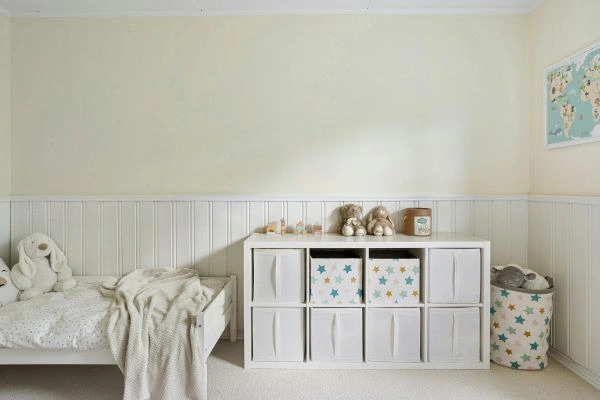
Kids’ rooms and play areas can be the hardest spaces to keep tidy. Low shelves, colorful bins, and open baskets make it easy for children to put toys and books away on their own. Labels with words or pictures help kids learn where things belong and build good habits early.
Rotate toys to keep the space fresh and less overwhelming. Storage solutions that are easy to reach ensure that cleanup doesn’t feel like a battle. When items have a visible place, kids and adults alike spend less time searching and more time playing.
Use Playful Touches That Stay Functional
In kid spaces, storage can be fun without being chaotic. Bright bins, themed baskets, and labeled drawers make organizing part of the play experience rather than a chore. A simple set of stackable cubes becomes both a storage and a design element that grows with your child’s changing needs.
Maintain Your Organized Home
Build Simple Daily Habits
Even the best organizational systems need upkeep. Habits like returning items to their home immediately after use, weekly quick tidies, and regular purges prevent clutter from creeping back in. Consistency keeps systems intact and reduces the effort needed for major overhauls.
Review and Adjust Periodically
Homes and routines change over time. Every few months, take a moment to review your systems. If something no longer fits your life, swap it out. The most successful organization systems are flexible and grow with you.
Frequently Asked Questions
- What Are The Best Home Organization Tips For Beginners?
Start by decluttering and sorting items into categories. Focus on creating zones, then choose home organization products that fit each zone’s needs.
- Which Home Organization Products Deliver The Most Impact?
Products like stackable storage bins, pull‑out organizers, drawer dividers, and over‑door racks consistently help make spaces more functional and easier to maintain.
- How Can I Organize My Small Space Without Spending Much?
Affordable organizers like baskets, hooks, and stackable bins can make a big difference. Look for budget‑friendly products or sales that help stretch your dollars.
- Do Organizers Come In Eco‑Friendly Options?
Yes. Bamboo, seagrass, and natural-fiber baskets are increasingly popular as sustainable alternatives to plastic storage containers.
- How Often Should I Reorganize My Home?
A quick quarterly review helps keep spaces tidy and lets you adjust systems as needed.
Achieving a Tidy and Stress-Free Home
Organizing your home isn’t just about tidying up; it’s about making the space work for you. By implementing home organization tips, such as decluttering, choosing the right home organization products, and regularly maintaining your systems, you can transform your home into a calm and functional environment.
It’s important to remember that organization is a process, not a one-time task. Start small, focus on one area at a time, and build habits that work for your lifestyle. With the right tools and mindset, you can create a home that not only looks great but also supports your daily life, helping you feel more relaxed and in control. Whether it’s a small change or a complete overhaul, your organized space will provide lasting benefits for years to come.