



Planning a roof replacement is one of the biggest home improvement decisions a property owner can make. A new roof protects your home from the weather, improves energy efficiency, and adds long‑term value. However, costly issues often arise when common errors occur early in the process. Learning about roof replacement mistakes ahead of time helps homeowners avoid problems that could lead to leaks, rotting wood, missing warranty coverage, or having to redo work all over again.
Most homeowners only replace a roof once or twice in their lifetime, so there is little personal experience to draw on when making this expensive choice. A roof replacement is a major investment, and mistakes in planning, material choice, or workmanship often do not show up until months or years later. Knowing what to watch for and how professionals recommend approaching the job can save money and prevent stress.
Why Avoiding Roof Replacement Mistakes Matters
Errors during a roof replacement project do more than add a few dollars to the bill. Some mistakes never become obvious until damage has already started to spread beneath the surface. Poor installation, wrong materials, or ignored weaknesses in the existing structure can lead to mold, rot, structural damage, and even voided warranties. These kinds of issues often take much longer and cost far more to fix than budgeting for them upfront.
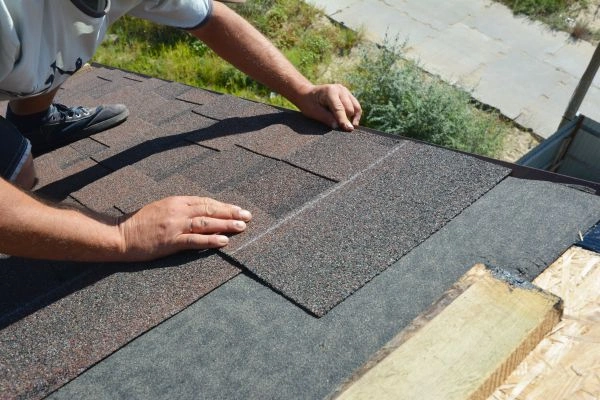
Roofing professionals emphasize that problems such as moisture build‑up, poor ventilation, and inadequate flashing are common hidden issues that homeowners do not see until it is too late. A leaking roof may not show problems immediately, but over time, those small weaknesses can allow water to enter the home in many places, causing more damage than just a stain on the ceiling.
Top 10 Roof Replacement Mistakes Every Homeowner Makes
1. Choosing the Lowest Bid Without Research
One of the most frequent roof replacement mistakes is selecting the cheapest contractor without researching what is included in their quote. Many homeowners focus first on price, assuming a low bid means good value. However, quality roofing requires skilled labor, strong materials, good coordination, and experienced crew members. A low estimate might reflect cut corners, inferior materials, or rushed workmanship that creates problems later.
When choosing a contractor, it is important to compare multiple bids and understand what each includes. Ask for details about materials, installation methods, timeline, warranties, disposal of old roofing, and any extra costs. A higher price from a reputable team may actually save money long term by avoiding callbacks and repairs.
2. Skipping a Professional Roof Inspection
Some homeowners think an online estimate or a simple visual look at the roof is enough to plan a replacement project. That is often not the case. A professional roof inspection reveals hidden issues such as weakened decking, improperly installed flashing, rot, ventilation problems, or structural issues that must be addressed before a new roof goes on.
Skipping a detailed inspection can lead to surprises once work begins, which usually means higher costs and delays. Professional inspectors can assess whether the underlying structure is solid and recommend fixes before the new roof is installed. This step protects the investment and ensures the new roof performs as expected.
3. Neglecting Adequate Ventilation
Proper ventilation is a part of the roofing system that many people overlook until it has already caused issues. Poor attic ventilation traps heat and moisture under the roof, which can lead to mold growth, wood rot, and premature material failure. In colder climates, this can lead to ice dam formation, which can force water back under the roof surface and into the home.
Roof replacement should include an evaluation of attic airflow and addressing any ventilation imbalances. This may mean adding vents or adjusting existing ones to ensure air moves freely from the soffits to the ridge. Without proper ventilation, even high‑quality shingles and materials will deteriorate faster than expected.
4. Choosing Incompatible or Low‑Quality Materials
Selecting inexpensive or mismatched roofing materials is another common mistake. Using shingles that are not designed for the local climate, or mixing old and new materials from different batches, can lead to uneven wear, color differences, and voided warranties. Some materials are not suitable for certain roof pitches or weather exposure, which reduces their effectiveness.
Investing in good-quality shingles, underlayments, flashings, and ventilation products may cost more upfront but pay off through longer life and fewer repairs. Trusted roofing brands often provide warranties that offer additional coverage when materials are installed properly, and contractors who handle products correctly help preserve that coverage.
5. Poor Flashing and Sealing Around Roof Penetrations
Flashing around chimneys, vents, skylights, and valleys is one of the most critical parts of a roof. Poorly fitted flashing allows water to seep into these weak spots. Even if the shingles themselves are in perfect condition, water can enter at these intersections if flashing is bent, fastened incorrectly, or has gaps.
Roofers need to install kick‑out flashing, step flashing, and other waterproofing features precisely. Without good sealing around penetrations, roofing systems fail early due to moisture intrusion and hidden rot. Professionals check these details carefully, but homeowners should also ask about flashing methods as part of the replacement plan.
6. Installing the Roof Without Addressing Underlayment Issues
Underlayment acts as a moisture barrier between shingles and decking. In many replacement jobs, the old underlayment remains damaged or outdated, and failing to replace it can allow water to penetrate beneath the new shingles. Modern underlayments often offer better performance than older felt paper, including increased moisture resistance and breathability.
Ensuring a full tear‑off of old underlayment and fitting a high‑quality replacement system prevents hidden water issues. It is also a chance to correct any underlying deck imperfections before the new roofing materials go on. Skipping this step will compromise the entire roofing system.
7. Rushing Installation in Poor Weather
Proper timing is crucial for a successful roof replacement. Installing shingles and materials in rainy, freezing, or extremely hot weather can lead to poor adhesion, curling, and other problems. Poor weather conditions can also make it unsafe for workers, increasing the chance of mistakes.
A reputable contractor will plan around weather forecasts and may postpone work if conditions are unsuitable. This level of care protects the integrity of the roof and ensures materials perform as intended. Rushing to get the job done quickly often results in callbacks and repairs later.
8. Cutting Corners on Flashing Ventilation and Ridge Caps
Some projects skimp on ridge caps, vent covers, or other finishing materials to save money. These components serve essential purposes: ridge caps protect the very top seam of the roof, and vent covers protect ventilation openings. Using cheaper alternatives or skipping these items can expose the roof to water infiltration and reduce airflow.
Quality ridge materials and ventilation accessories improve performance, reduce leaks, and help regulate heat and moisture in the attic space. Including these components in the initial quote and plan ensures a more resilient roofing system.
9. Failing to Get a Detailed Written Estimate
Verbal agreements and vague estimates are a recipe for disputes and unexpected charges. One of the major roof replacement mistakes is proceeding without a clear, itemized written estimate from the contractor. This document should outline labor, materials, warranties, tear‑off costs, disposal fees, and timelines.
Written estimates protect homeowners by setting clear expectations and providing a reference in case issues arise. They can also be used to compare bids on a like‑for‑like basis so that the lowest price does not mask missing services or hidden fees.
10. Ignoring Post‑Installation Inspection And Documentation
Once the roof replacement is complete, many homeowners assume the job is finished. However, inspection and documentation are essential final steps. Post‑installation checks confirm that every section, flashing, ridge, and valley was installed correctly and meets building codes.
Documenting the work with photos, receipts, and warranties protects homeowners if issues occur later. This makes warranty claims easier and ensures there is proof of what was installed and when. Roofs exposed to storms, wind, or shifting temperatures can develop issues over time, and having detailed documentation ensures faster resolution when it matters.
How To Avoid These Mistakes And Choose A Better Path
To protect your home and your investment, careful planning and wise choices are essential. Hiring a licensed, insured contractor with strong references and detailed proposals is the first step. Make sure material choices match your climate and roof design, and do not skip inspections or underlayment upgrades. Reviewing the contract and warranties with professionals before work starts builds confidence in the project and reduces uncertainty.
Avoiding common roof replacement mistakes saves time, money, and stress, and gives your home the protection it needs for decades.
Final Thoughts On Roof Replacement Mistakes
Roof replacement is a major home project that deserves careful thought and planning. Avoiding costly errors during each step of the process ensures a roof that lasts, protects, and adds value. From choosing the right contractor and materials to addressing ventilation and underlayment, every detail matters. With the right approach, homeowners can make smart decisions that lead to a durable, reliable roof that stands up to weather, wear, and the test of time.