

10 Popular Interior Design Styles Homeowners Can Do With Simple DIY Tricks


Creating a beautiful home no longer requires a large budget or professional help. With endless inspiration online, easy tutorials, and smart tools, more homeowners are discovering that great design can be simple and achievable. Many of today’s most popular interior design styles are not only visually appealing but also practical enough to recreate with small, thoughtful changes.
This guide explores popular interior design styles that can be done at home using DIY tricks that are easy to follow. From calming minimalist spaces to expressive bohemian interiors, each style can be adapted to fit real homes and everyday lifestyles.
Why Popular Interior Design Styles Feel More Accessible Today
Interior design has shifted from strict rules to flexible ideas. Instead of copying magazine-perfect rooms, people now focus on comfort, personality, and practicality. Homes are becoming more lived-in and expressive rather than overly polished.
One major reason is the rise of digital tools. A simple interior design app can help visualize layouts, test color palettes, and plan furniture placement before making changes. This reduces mistakes and makes the design more approachable.
At the same time, trends are leaning toward natural materials, layered textures, and personal storytelling. Homes today are meant to feel warm and human, not perfect or staged.
Transform Your Space Fast With These 10 Interior Design Styles
1. Minimalist Style With Warm And Livable Updates
Minimalism continues to be one of the most recognized interior design styles, but it has evolved. Instead of cold, empty spaces, the modern approach adds warmth and personality.
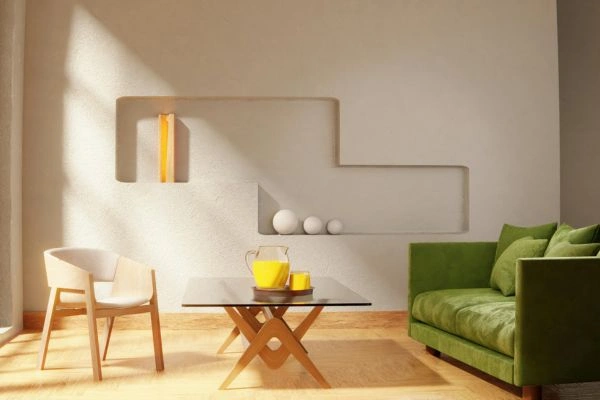
Key Elements
- Soft neutrals such as cream, beige, and gray
- Clean lines with simple furniture
- Intentional decor instead of clutter
DIY Tricks To Try
- Declutter in stages to avoid burnout
- Add textured fabrics like rugs or throws
- Replace harsh lighting with warm bulbs
Today’s minimalist homes focus on comfort and livability. Clean does not mean empty anymore. It means thoughtful.
2. Modern Farmhouse And Heritage Country Charm
Farmhouse design is still popular, but it has matured into something more refined. The newer version, often called heritage country, feels richer and more timeless.
Key Elements
- Natural wood and antique finishes
- Deeper tones like forest green or navy
- Vintage-inspired furniture
DIY Tricks To Try
- Distress furniture lightly for a worn look
- Use thrifted decor pieces for authenticity
- Add wood accents like shelves or beams
This style embraces history and character, moving away from overly bright and uniform farmhouse spaces.
3. Scandinavian Style For Light And Functionality
Scandinavian design remains a favorite, especially for smaller homes. Its focus on simplicity and brightness makes spaces feel larger and more comfortable.
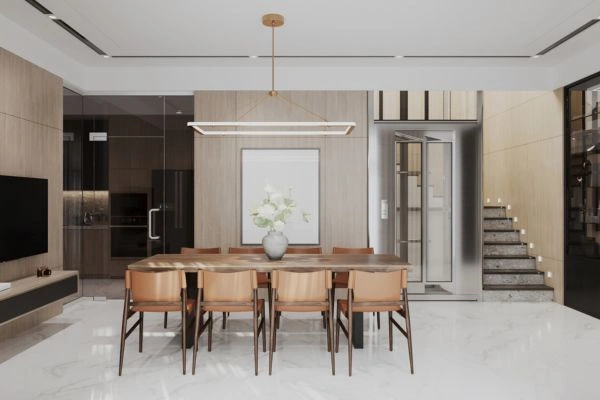
Key Elements
- White or light-colored walls
- Functional furniture
- Natural light and soft textures
DIY Tricks To Try
- Use mirrors to reflect light
- Add indoor plants for freshness
- Choose furniture with storage built in
This style works well for anyone who wants a calm, clutter-free home that still feels cozy.
4. Industrial Style With Softer Edges
Industrial interiors are evolving. Instead of raw, unfinished spaces, newer versions blend industrial elements with softer materials.
Key Elements
- Metal, concrete, and exposed textures
- Neutral or darker tones
- Open shelving
DIY Tricks To Try
- Use faux brick wallpaper for an easy upgrade
- Mix metal fixtures with soft fabrics
- Add warm lighting to balance the look
Modern industrial spaces feel more comfortable while still keeping their bold identity.
5. Bohemian Style For Personal Expression
Bohemian design continues to grow because it allows creativity without strict rules. It is layered, colorful, and full of personality.
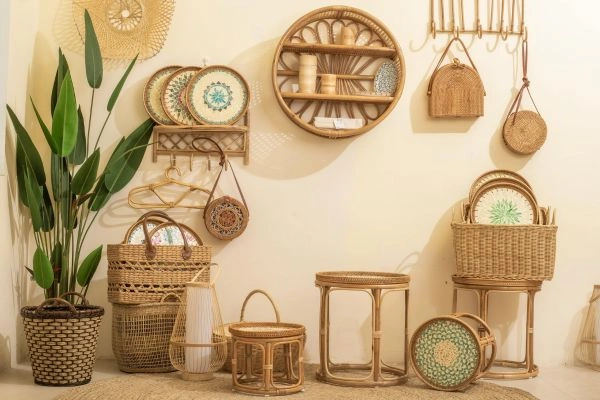
Key Elements
- Mixed patterns and textures
- Earth tones with vibrant accents
- Handmade or vintage decor
DIY Tricks To Try
- Create a gallery wall using personal items
- Layer rugs for depth
- Use macramé or woven wall decor
Bohemian spaces feel unique because they reflect individual taste rather than trends.
6. Contemporary Style That Keeps Evolving
Contemporary design reflects what is current. It changes over time but usually focuses on simplicity with a modern touch.
Key Elements
- Clean shapes with soft curves
- Neutral base colors
- Statement pieces like lighting or art
DIY Tricks To Try
- Update accessories seasonally
- Add bold art for contrast
- Rearrange furniture for a fresh layout
This style works well for those who like to keep their home updated without major renovations.
7. Japandi Style For Balance And Calm
Japandi blends Japanese simplicity with Scandinavian comfort. It creates peaceful spaces that feel intentional and balanced.
Key Elements
- Neutral colors and natural wood
- Minimal decor
- Functional furniture
DIY Tricks To Try
- Use low-profile furniture
- Keep decor minimal and meaningful
- Add natural materials like bamboo or linen
Japandi is ideal for creating a relaxing environment that feels grounded and calm.
8. Coastal Style For Relaxed Living
Coastal interiors bring a fresh, breezy feeling into the home. This style is ideal for homes in warm climates.
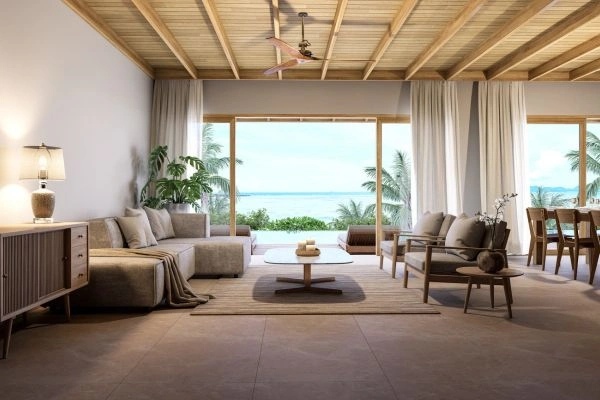
Key Elements
- Light blues, whites, and sandy tones
- Natural textures like rattan
- Open and airy layouts
DIY Tricks To Try
- Add striped fabrics
- Use light curtains for airflow
- Incorporate natural decor like driftwood
This style creates a laid-back atmosphere that feels easy and inviting.
9. Maximalist And Joyful Spaces Gaining Attention
While minimalism remains popular, more homeowners are exploring bold and expressive interiors. One emerging idea focuses on creating joyful spaces filled with color and personality.
Bright tones, playful shapes, and layered textures are becoming more common, encouraging people to design spaces that feel fun and personal rather than restrained.
DIY Tricks To Try
- Add colorful cushions or throws
- Mix different textures in one room
- Use statement decor pieces sparingly
This approach proves that design can be both stylish and expressive.
10. Biophilic Design And Nature-Inspired Homes
Nature-inspired interiors are becoming more important as people look for calm and balance in their homes.
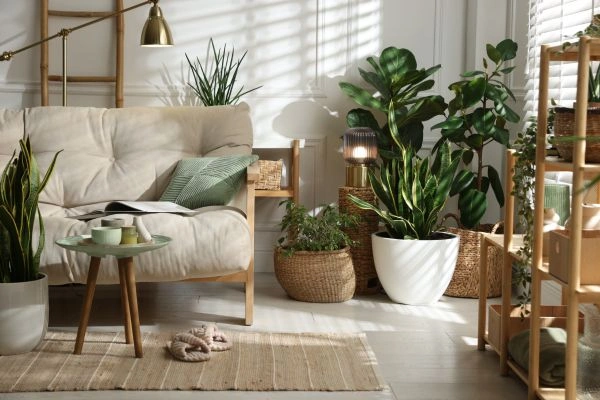
Key Elements
- Natural materials like wood and stone
- Indoor plants and greenery
- Soft, earthy colors
DIY Tricks To Try
- Add plants to different corners
- Use natural fiber rugs
- Choose furniture with organic shapes
Homes designed this way often feel more relaxing and connected to the outdoors.
Popular Interior Design Styles For Small Spaces
Small homes can still look stylish with the right approach. Many interior design styles adapt well to limited space.
Practical Tips
- Use multi-functional furniture
- Install wall shelves
- Keep colors light and consistent
Designing for small spaces is about maximizing function without sacrificing style.
The Role Of Texture And Materials In Modern Homes
Texture is now a key element in modern interior design. Instead of relying only on color, designers now focus on how spaces feel.
Natural materials like rattan, bamboo, and wood are widely used to add warmth. Even surfaces like walls and ceilings are being treated as design features rather than background elements.
DIY Tricks To Try
- Add textured wall panels
- Use layered fabrics
- Mix smooth and rough materials
These details can make a room feel more complete and inviting.
Smart Tools That Make Home Design Easier
Technology plays a big role in modern home design. A good interior design app can help homeowners experiment with layouts and styles before making changes.
These tools allow users to:
- Visualize furniture placement
- Test paint colors
- Plan room layouts
This helps make designing faster and less stressful, even for beginners.
Budget-Friendly DIY Tricks That Make A Big Impact
Not every design upgrade requires new furniture. Even small changes can dramatically transform a room.
Easy Ideas
- Rearrange furniture for better flow
- Swap out cushions or curtains
- Add new lighting fixtures
- Repaint walls or cabinets
These simple updates can refresh a room without a large investment.
Common Mistakes To Avoid When Trying DIY Design
Even simple design projects can go wrong without planning. Steering clear of these mistakes can greatly improve your space.
Overdecorating
Adding too many items can make a room feel cluttered. Focus on a few key pieces.
Poor Lighting Choices
Lighting affects how colors and textures look. Use a mix of light sources.
Ignoring Balance
Mixing styles is fine, but it should feel cohesive.
How To Mix Popular Interior Design Styles Successfully
Mixing styles can create a unique look when done carefully. The key is consistency.
Tips
- Stick to one main color palette
- Combine similar materials
- Balance bold and simple elements
For example, a minimalist space can include bohemian accents for added warmth.
The Importance Of Personal Touch In Every Home
No matter which style is chosen, personal elements make a space feel complete. Photos, travel souvenirs, and handmade decor add meaning.
Modern design encourages individuality. Homes should reflect the people living in them, not just current trends.
Bring Popular Interior Design Styles Home
Designing a home today is more flexible than ever. From minimalist and Scandinavian to bohemian and coastal, the most popular interior design styles offer something for every taste and lifestyle. The shift toward comfort, sustainability, and personal expression makes it easier for homeowners to experiment without pressure. Natural materials, layered textures, and meaningful decor are shaping the way spaces look and feel. Simple DIY tricks can go a long way in transforming a space. Whether it is rearranging furniture, adding texture, or introducing color, small changes can create a big impact.
The key is to start with a clear idea, take small steps, and focus on what makes a space feel right. With time and creativity, any home can become both stylish and comfortable without needing complex renovations or large expenses.