



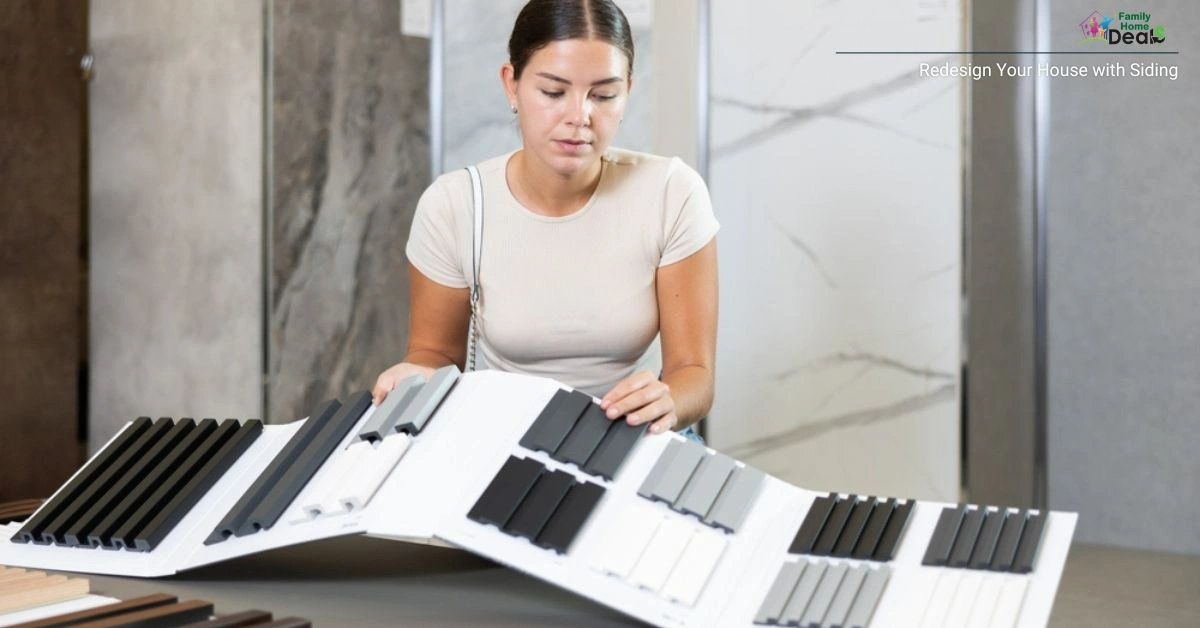
 Your home’s siding is more than a shield against the weather—it’s a first impression, a statement of style, and a long-term investment. A well-chosen siding material can dramatically enhance curb appeal, increase resale value, and even improve energy efficiency.
With options ranging from vinyl and wood to fiber cement and metal, it’s easy to feel overwhelmed. Which material is right for your home? How does it perform in your climate? How much will it cost over time? This guide provides a comprehensive, no-fluff look at modern siding, complete with practical advice, design ideas, cost breakdowns, and real-world examples.
Quick Read — Siding Guide
Reading time:~2 minutes
- Vinyl: Low-maintenance, affordable, great for most climates.
- Wood: Timeless beauty, high upkeep, best for dry climates or historic homes.
- Fiber Cement: Durable, paintable, versatile, moderate cost.
- Metal: Strong, weather-resistant, minimal maintenance, ideal for coastal or hail-prone areas.
“Match material to your home’s style, climate, and long-term budget. Inspect and maintain regularly for maximum lifespan.”
Why Vinyl Siding Is So Popular?
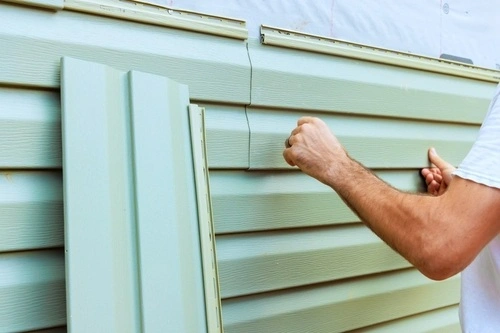
Vinyl siding dominates suburban neighborhoods, and for good reason: it’s affordable, low-maintenance, and comes in a surprising variety of styles and textures.
Why Vinyl Works
-
Cost-effective: $2–$7 per square foot for material; installation adds $2–$4 per square foot.
-
Maintenance: Simply wash with a hose and mild soap once or twice a year. No painting required.
-
Durability: Resistant to rot, mold, and insects. Color runs through panels, so scratches are less noticeable.
Pro Tip: Always choose high-grade vinyl. Low-end vinyl can warp, fade, or crack under sun exposure and temperature swings. Investing in quality now saves thousands in replacements.
Design Options
Vinyl siding now comes in styles that mimic traditional wood siding or offer sleek modern looks:
-
Horizontal clapboard: Classic American style, works on Colonial or Cape Cod homes
-
Dutch lap: Adds shadow lines for texture and depth
-
Vertical board-and-batten: Contemporary aesthetic for modern homes
-
Specialty textures: Fish scale, scalloped, or shingle-look panels
Designer Insight: Pair bold colors like navy or deep green with white trim for a timeless exterior. Light grays and taupes are safer for resale.
Installation Considerations
Vinyl expands and contracts with temperature changes, which makes professional installation essential:
-
Nails must be placed loosely enough to allow movement
-
Substrates must be dry and level
-
Existing siding or rot must be addressed before installation
Vinyl Siding: Do’s & Don’ts
- Do: Choose high-grade vinyl with UV resistance and a lifetime or extended warranty.
- Do: Hire professional installers familiar with vinyl expansion/contraction in your climate.
- Do: Inspect the wall for moisture or damage before installation and add insulation for energy efficiency.
- Don’t: Skimp on cheap vinyl to save a few dollars—it will warp, fade, or crack quickly.
- Don’t: Install over damaged or wet siding; this can cause mold, rot, and uneven surfaces.
- Don’t: Ignore your home’s architectural style—vertical panels may look odd on traditional clapboard homes.
Pro Tip: Ask installers about their experience with vinyl in your climate, particularly if you live in desert heat, humid zones, or hail-prone areas.

Upgrade Your Everyday Ritual
High-quality basics make all the difference—whether it’s fashion or skincare. The Yves Rocher Discovery Kit is your shortcut to a thoughtful, indulgent routine. It offers plant-powered serums and creams that help maintain hydration, protect your skin barrier, and leave your complexion radiant. Consider it the “investment piece” of your daily skincare wardrobe.
Wood Siding: Classic Beauty with Maintenance
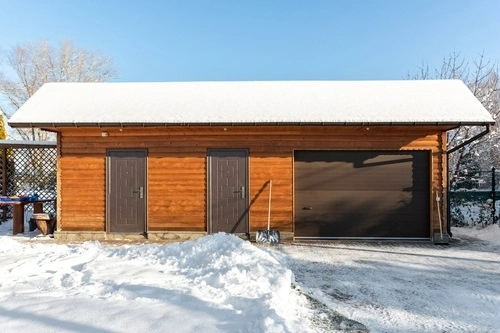
For homeowners who want natural warmth, historic authenticity, and aesthetic appeal, wood siding remains unmatched.
Benefits of Wood
-
Natural insulation improves energy efficiency
-
Biodegradable and renewable
-
High-end look that maintains home value
Popular Wood Types
-
Cedar: Naturally resists insects and moisture; can be painted or stained
-
Redwood: Premium look with excellent longevity
-
Cypress: Durable and resistant to decay, but less common
Challenges
-
Cost: $6–$12 per sq. ft. material; labor-intensive installation
-
Maintenance: Requires washing, priming, and repainting every 3–5 years
-
Climate sensitivity: Wet or humid climates can cause mold or mildew if not properly maintained
Wood Siding: Do’s & Don’ts
- Do: Choose high-quality cedar, redwood, or cypress for natural durability and aesthetic appeal.
- Do: Wash, prime, and repaint every 3–5 years to maintain protection and appearance.
- Do: Inspect for mold, mildew, and insect damage regularly, especially in humid or wet climates.
- Don’t: Skip proper sealing and painting; exposed wood can rot quickly.
- Don’t: Ignore moisture or drainage issues around the foundation—water damage spreads fast.
- Don’t: Install wood siding over old siding without removing damaged layers and addressing rot.
Designer Insight: Composite wood siding can replicate the look of cedar with less maintenance and better durability, ideal for homeowners seeking style with fewer headaches.
Fiber Cement: Durable & Versatile
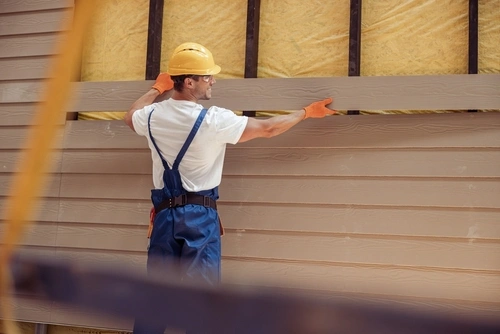
Fiber cement offers the best of both worlds: the look of wood with durability closer to vinyl or metal.
What It Is
-
Made from 90% sand and cement, 10% cellulose fiber
-
Can be painted any color, from soft neutrals to bold pastels
-
Resistant to fire, rot, and insects
Pros
-
Long-lasting (20–50 years with proper maintenance)
-
Can mimic wood textures or smooth modern finishes
-
Stable in diverse climates
Cons
-
Heavy and harder to transport
-
Requires skilled installers to prevent cracking at joints
-
Higher upfront cost than vinyl
Fiber Cement Siding: Do’s & Don’ts
- Do: Hire experienced installers—heavy panels require careful handling and precise caulking.
- Do: Paint fiber cement siding after installation for UV protection and aesthetics.
- Do: Choose colors that complement your home’s architecture; neutrals usually age best.
- Don’t: Attempt DIY installation without experience—it’s heavy and brittle.
- Don’t: Skip joint sealing or caulking; water infiltration can cause cracking over time.
- Don’t: Ignore manufacturer guidelines on panel spacing and fasteners.
Pro Tip: Stick with neutral colors for curb appeal unless you want a home that stands out—vibrant blues or reds are fun but polarizing.
Metal Siding: Modern Strength
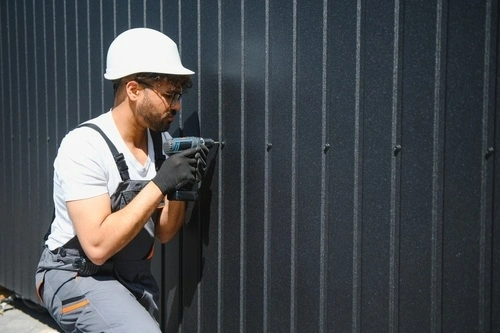
Metal siding, including steel and aluminum, is gaining popularity for contemporary homes and coastal areas.
Steel Siding
-
Pros: Durable in cold, hail, and wind-prone regions
-
Cons: Dents easily; repair can be costly
-
Can be painted or coated for extra protection
Aluminum Siding
-
Pros: Lightweight, corrosion-resistant, perfect for coastal climates
-
Cons: Conducts heat; must be installed with proper insulation to avoid condensation
Metal Siding: Do’s & Don’ts
- Do: Choose steel for cold, hail-prone areas; aluminum for coastal, salty air conditions.
- Do: Use paint or coating formulated for metal to prevent corrosion.
- Do: Inspect after storms for dents, scratches, or loose panels.
- Don’t: Install directly over untreated wood without proper insulation and a moisture barrier.
- Don’t: Ignore minor scratches; untreated metal may rust or corrode over time.
- Don’t: Try to bend or cut panels without proper tools—it can crack coatings or warp edges.
Installer Insight: Use only paint formulated for metal siding. Avoid direct contact with untreated wood to prevent rot.
Discover Your Skincare Investment
Just like choosing the right wardrobe investment, picking the right skincare is about quality and longevity. Meet your new obsession: Yves Rocher Discovery Kit—a plant-powered set designed for gentle, effective daily care. Perfect for beginners, luxury lovers, or eco-conscious beauty fans, this kit lets you explore hydrating, refreshing, and glow-boosting formulas that feel as good as they look.
Comparison Table: Choosing the Right Siding
| Material | Durability | Maintenance | Cost per sq. ft. | Ideal Climate | Design Flexibility |
|---|---|---|---|---|---|
| Vinyl | High | Low | $2–$7 | Most regions | Many colors & textures |
| Wood | Medium | High | $6–$12 | Dry/temperate | Unlimited finishes |
| Fiber Cement | High | Medium | $5–$10 | Most regions | Paintable, many textures |
| Steel | Very High | Low | $6–$12 | Cold/windy | Modern styles |
| Aluminum | High | Low | $5–$9 | Coastal | Can be painted |
Common Mistakes and How to Avoid Them
| Common Mistake | Better Choice | Why It Matters / Tip |
|---|---|---|
| Buying cheap vinyl panels | Invest in high-grade vinyl with a warranty | High-grade vinyl lasts decades without warping or fading. Look for panels with a **lifetime or extended warranty** and check UV resistance for your region. |
| Installing siding over damaged or wet old siding | Remove old siding, repair rot, and add insulation | Old damage left untreated will worsen under new siding, causing **mold, rot, and uneven surfaces**. Always prep the wall, add insulation for energy efficiency, and ensure it’s dry before installation. |
| Choosing a siding style that doesn’t match the home’s architecture | Match siding style and profile to your home design | Using modern vertical panels on a historic Colonial or tiny clapboard vinyl on a Craftsman can **break curb appeal**. Consider the roofline, trim, and period style before selecting siding. |
| Ignoring regional climate factors | Select materials suitable for the local weather | Vinyl may warp in desert heat, wood can rot in humid climates, and metal may dent in hail areas. Check **regional performance ratings** before purchasing. |
| Skipping professional installation or inspection | Hire licensed installers and inspect post-installation | Improperly nailed panels, gaps, or misaligned joints lead to **warping, leaks, and reduced lifespan**. Always check installation quality and ask for **before/after inspection photos**. |
Regional Considerations: Choosing Siding That Survives Your Environment
Not all siding performs equally in every climate. Your region plays a huge role in durability, aesthetics, and long-term maintenance costs. Here’s what to keep in mind:
Hot & Sunny Regions:
Think Arizona, Nevada, or Southern California. Vinyl siding can soften and warp under intense heat if low-grade materials are used. Fiber cement is a smarter option because it holds its shape and color, even under blazing sun. For added protection, choose light-colored panels to reflect heat and reduce fading.
Coastal Areas:
If salty sea air is part of your daily weather, aluminum siding becomes your best friend. It resists corrosion better than steel or wood. Wood siding can still be used, but only if properly treated and maintained with marine-grade finishes to prevent rot and mold. Adding an extra moisture barrier behind the siding is also critical in these locations.
Wet and Humid Climates:
Think Pacific Northwest or Southeast US. Wood siding tends to absorb moisture, leading to warping, mold, and insect problems. Fiber cement or vinyl panels are the safest bets—they shed water effectively and remain stable over time. Installing siding with proper drainage channels and ventilated gaps further improves longevity.
Maintenance Tips for Longevity: Protect Your Investment
Even the most durable siding benefits from a little care. Here’s a seasonal guide to keep your exterior looking pristine for decades:
Vinyl: A simple annual hose-down usually does the trick. For stubborn dirt or pollen buildup, use a soft-bristled brush and mild detergent. Avoid pressure washing with high PSI—it can damage panels or loosen joints.
Wood: The classic beauty of wood comes with responsibility. Wash and inspect annually for mold, mildew, and insect activity. Every 3–5 years, prime and repaint surfaces to protect against rot and UV damage. Failing to maintain wood siding is the fastest way to reduce its lifespan.
Fiber Cement: Inspect joints for gaps, caulk as needed, and touch up paint where chips appear. Fiber cement rarely rots, but cracks can allow water penetration—address issues early to prevent long-term damage.
Metal: Keep coatings in top condition. After coastal storms, rinse panels to remove salt. Check for dents or scratches, and repair promptly to avoid corrosion. For steel siding in cold, hail-prone areas, even minor dings can become long-term problems if untreated.
Cost & Long-Term Value: Think Beyond Upfront Price
Siding isn’t just a cosmetic choice—it’s a long-term financial decision. Consider both initial costs and maintenance over the lifespan:
-
Vinyl: Low upfront cost and minimal maintenance make vinyl appealing. Expect $2–$7 per sq. ft. for material, plus installation. With proper care, vinyl can last 20–30 years.
-
Wood: The timeless charm of wood comes with higher costs: $6–$12 per sq. ft., plus labor-intensive installation. Add repainting and sealing every few years. Long-term, wood can still pay off if you value aesthetics and historic preservation.
-
Fiber Cement: Moderate to high upfront investment, $5–$10 per sq. ft., but it offers 20–50 years of durability. Maintenance is lower than wood, and it holds color and texture well.
-
Metal: $5–$12 per sq. ft., depending on type and finish. Minimal ongoing maintenance makes it cost-effective in areas with harsh weather. Steel offers maximum durability in hail/wind zones; aluminum is unbeatable near the ocean.
Sustainability Considerations: Eco-Friendly Siding Choices
More homeowners are factoring environmental impact into siding decisions. Here’s the breakdown:
-
Wood: Renewable, biodegradable, and often locally sourced. Choose FSC-certified wood to ensure sustainable harvesting. Proper maintenance extends its life and reduces the frequency of replacement.
-
Vinyl: Made from PVC, it is non-biodegradable but can be recycled if local programs exist. Consider using recycled-content panels to reduce the environmental footprint.
-
Fiber Cement & Metal: Durable and long-lasting, these materials are frequently recyclable at end-of-life. Their longevity reduces replacement frequency, which also lowers environmental impact.
FAQs for “Home Siding Guide”
1. How do I know which siding material is best for my climate?
Your choice should reflect local weather conditions. For hot climates, fiber cement withstands heat better than vinyl. Coastal homes benefit from aluminum or treated wood to resist salt corrosion. In wet or humid areas, vinyl or fiber cement outperforms untreated wood. Always check regional performance ratings and consult local contractors.
2. Is vinyl siding really maintenance-free?
Vinyl is low-maintenance but not entirely maintenance-free. It should be washed annually with mild detergent, and panels inspected for warping or damage. Choosing high-grade vinyl ensures longevity and color retention over decades.
3. How does siding impact my home’s energy efficiency?
Siding alone provides limited insulation, but pairing it with insulation boards or reflective barriers can significantly improve energy efficiency. Fiber cement and vinyl can also be installed over insulated sheathing to reduce heat loss and cooling costs.
4. Can I install siding myself, or should I hire professionals?
Siding installation is not recommended as a DIY project, especially for fiber cement or metal. Improper installation can lead to warping, moisture damage, and voided warranties. Professional installers ensure correct alignment, fastening, and sealing, protecting your investment.
5. What’s the best siding option for long-term value?
It depends on your priorities. Vinyl is cost-effective upfront with low maintenance. Wood offers timeless appeal but requires more care. Fiber cement balances customization, durability, and moderate maintenance. Metal provides long-term strength, especially in extreme climates. Consider the total cost of ownership, factoring in maintenance and lifespan, rather than just the initial price.
Redesign your house with siding today!
Redesigning your home with siding isn’t just a surface-level upgrade—it’s an investment in your home’s longevity, curb appeal, and resale value. Each material offers distinct advantages: vinyl brings low-maintenance convenience, wood exudes classic elegance, fiber cement allows for nearly limitless customization, and metal delivers unmatched strength and modern flair. Choosing the right siding is about balancing style, durability, climate suitability, and long-term costs.
Consult an architect or experienced designer
They can help align your siding choice with your home’s architecture, regional climate, and personal budget while factoring in energy efficiency, maintenance cycles, and material sustainability. With thoughtful planning and quality installation, your siding can protect your home and elevate its aesthetic for decades to come, making it one of the smartest investments in your property.