



A calm bedroom is no longer considered a luxury. In 2025, interior designers, sleep specialists, and homeowners increasingly agree that lighting plays one of the most important roles in shaping how restful a bedroom feels. Beyond furniture and color palettes, the right lighting choices can reduce stress, improve sleep, and transform a bedroom into a true retreat.
Modern lighting technology, combined with thoughtful design, has made it easier than ever to create soothing bedroom environments. From warm ambient layers to smart lighting systems that follow natural circadian rhythms, today’s options focus on comfort as much as aesthetics. The following bedroom lighting ideas reflect the most trusted recommendations from recent reviews, product launches, and interior design trends in 2025.
Why Lighting Has A Direct Impact On Calmness
Lighting influences the nervous system in powerful ways. Bright, cool-toned lighting stimulates alertness, while softer, warmer light signals the body to relax. Bedrooms that rely on a single harsh overhead light often feel clinical or restless, even when the decor is carefully curated.
Calming bedrooms use layered lighting to control intensity, direction, and warmth. This approach reduces eye strain, softens shadows, and creates visual balance. In 2025, this principle has become central to both luxury and everyday bedroom design.
Bedroom Lighting Ideas for Better Sleep and Comfort
1. Embrace Warm Light Temperatures
Warm light remains the foundation of calming bedroom lighting. Sleep experts and designers widely recommend bulbs with color temperatures between 2200K and 3000K. These tones mimic sunset light and help prepare the body for rest.
Brands such as Philips Hue White Ambiance, GE Relax HD, and LIFX Candle White bulbs are frequently highlighted in 2025 reviews for their ability to deliver consistent warm tones without flicker. Many of these bulbs also offer gradual dimming, further enhancing relaxation.
Avoid daylight or cool white bulbs in bedrooms, especially near the bed. These tones are better suited for kitchens and workspaces and can interfere with natural sleep cycles.

2. Replace Overhead Lights With Layered Lighting
One of the fastest ways to make a bedroom feel calmer is to reduce reliance on a single ceiling fixture. Layered lighting spreads light gently across the room and prevents harsh contrasts.
A calming bedroom typically includes ambient lighting for overall glow, task lighting for reading or dressing, and accent lighting to add depth. Table lamps, wall sconces, and floor lamps work together to create a balanced atmosphere.
Designers in 2025 favor soft fabric lamp shades, frosted glass, and ceramic bases, which diffuse light evenly. Brands such as West Elm, CB2, and Article offer bedroom lamps designed specifically to reduce glare and visual noise.
3. Use Bedside Lamps That Prioritize Comfort
Bedside lighting plays a critical role in bedroom calmness. Lamps placed too high or too bright can feel intrusive, while poorly positioned lights create shadows that strain the eyes.
Ideal bedside lamps sit at roughly shoulder height when seated in bed. Warm bulbs paired with opaque or linen shades are preferred. Touch-control lamps and dimmable bases have gained popularity in 2025 for their convenience and minimal disruption at night.
Recommended options include the IKEA SINNERLIG table lamp for soft diffusion and the Casper Glow Light, which is specifically designed to reduce blue light exposure before sleep.
4. Install Wall Sconces For A Clutter-Free Look
Wall sconces are increasingly popular in calm bedroom designs. By moving light sources off nightstands, the room feels more open and less visually busy.
Adjustable sconces allow light to be directed toward a book or wall rather than the eyes. Plug-in models make installation easier for renters, while hardwired versions offer a seamless built-in look.
Brands such as Schoolhouse, Visual Comfort, and IKEA have expanded their 2025 collections with bedroom-specific sconces in soft brass, matte white, and natural finishes that enhance tranquility.
5. Add Indirect Lighting Behind Furniture
Indirect lighting creates one of the most calming effects in a bedroom. LED strips placed behind headboards, under beds, or on top of wardrobes cast a gentle glow without visible light sources.
This technique softens the room and adds depth without overwhelming the senses. In 2025, many designers use indirect lighting as a substitute for overhead fixtures altogether.
Popular products include Philips Hue Lightstrips Plus and Govee Warm White LED strips. When set to low brightness and warm tones, these lights provide subtle illumination that feels almost spa-like.
6. Choose Smart Lighting With Circadian Features
Smart lighting has evolved significantly in recent years. In 2025, the most recommended systems focus on circadian rhythm support rather than novelty features.
Smart bulbs and fixtures can automatically shift from brighter, neutral tones during the day to warm, dim light in the evening. This gradual change supports natural sleep patterns and reduces nighttime stimulation.
Brands such as Philips Hue, Nanoleaf, and Wiz offer bedroom-friendly presets designed to help you wind down. Many systems also integrate with voice assistants or smartphone apps, allowing lighting adjustments without leaving bed.
7. Use Lamps With Built-In Dimmers
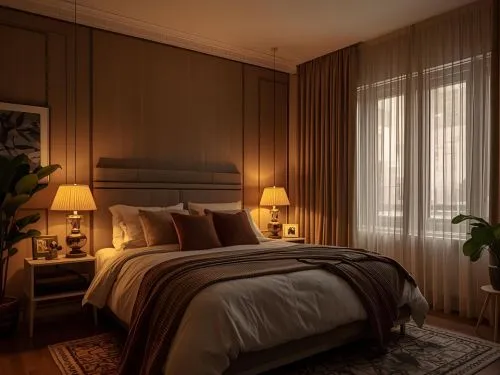
Dimmers are essential for creating calm lighting conditions. Even warm bulbs can feel overwhelming at full brightness.
Lamps with built-in dimmer switches provide precise control over intensity. Rotary dimmers, touch-sensitive bases, and app-based controls are all common in 2025 bedroom lighting products.
Brands like Artemide, Flos, and Muuto are frequently cited for producing dimmable lamps that balance form and function. Budget-friendly dimmable options are also widely available through retailers such as IKEA and Target.
8. Incorporate Natural Materials For Visual Softness
Lighting fixtures themselves contribute to a room’s sense of calm. Materials such as wood, rattan, linen, ceramic, and stone soften the visual impact of light.
In 2025, organic textures are strongly favored in bedroom lighting. Woven pendant lights, linen shades, and hand-thrown ceramic lamp bases add warmth and tactile appeal.
Brands like Serena and Lily, Anthropologie Home, and Etsy-based artisan sellers are known for lighting pieces that blend craftsmanship with calming aesthetics.
9. Avoid Exposed Bulbs And Harsh Glare
Exposed bulbs may look stylish in industrial spaces, but they rarely contribute to a calm bedroom. Direct glare increases eye strain and creates stark shadows.
Choose fixtures that shield or diffuse the light from the bulb. Frosted glass, fabric shades, and recessed designs help soften light output.
If exposed bulbs are already installed, switching to lower-lumen filament bulbs with amber coatings can significantly reduce harshness.
10. Add Soft Floor Lamps For Evening Relaxation
Floor lamps provide gentle ambient light that works especially well in bedroom corners or reading areas. When paired with warm bulbs and fabric shades, they create a cozy glow that encourages relaxation.
Arc floor lamps with downward-facing shades or tripod lamps with diffusers are particularly effective. In 2025, slim-profile floor lamps are trending because they add light without dominating the room.
Recommended brands include Article, CB2, and Lumens, which offer modern floor lamps designed for bedroom comfort.
11. Use Blackout Curtains With Integrated Lighting
Blackout curtains already support better sleep by blocking external light. In 2025, some designs take this further by incorporating integrated LED tracks or curtain-adjacent lighting.
Soft uplighting above curtain rods or behind drapery adds ambient glow without disturbing darkness when the lights are off. This approach is especially helpful in urban bedrooms with limited natural light.
Pairing blackout curtains with dimmable wall-mounted lights creates a layered system that feels intentional and calming.
12. Keep Lighting Controls Simple And Accessible
A calm bedroom should not require complicated controls. Difficult-to-adjust lighting systems often lead to frustration rather than relaxation.
The best setups let you dim or turn off the lights from bed. Wireless switches, bedside remotes, and voice controls are widely used in 2025 bedroom designs.
Products such as the Lutron Caséta system are often praised for reliability and ease of use. Simpler plug-in dimmers remain a popular choice for those who prefer minimal technology.
13. Balance Light Placement For Visual Harmony
Calm bedrooms distribute light evenly rather than concentrating it in one area. Balanced placement prevents harsh contrasts and dark corners.
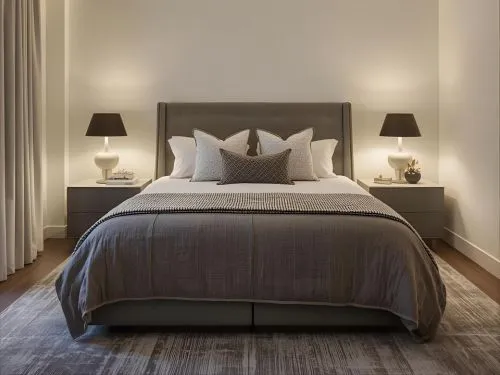
Designers often recommend symmetrical bedside lighting combined with a softer secondary source, such as a floor lamp or indirect LED strip. This balance creates a sense of order that the brain interprets as restful.
In small bedrooms, fewer well-placed lights often feel calmer than multiple competing fixtures.
14. Let Natural Light Guide Artificial Lighting Choices
Daylight should inform artificial lighting design. Bedrooms that receive strong morning light benefit from softer evening lighting to maintain balance.
Sheer curtains paired with warm artificial light help smoothly transition from day to night. In 2025, many bedrooms use tunable lighting systems that complement the direction and intensity of natural light throughout the day.
Mirrors placed opposite windows can also amplify daylight, reducing the need for bright artificial light during waking hours.
Creating A Calmer Bedroom With Lighting
Calm bedrooms are built on intention, not excess. Lighting choices that prioritize warmth, softness, and flexibility make an immediate difference in how a space feels and functions.
The most effective lighting ideas in 2025 focus on layered illumination, smart dimming, and materials that diffuse rather than dominate. By replacing harsh overhead lights, embracing warm tones, and choosing fixtures designed for comfort, any bedroom can become a more peaceful and restorative environment.
Lighting that supports rest does more than enhance design. It supports well-being, improves sleep quality, and transforms the bedroom into a space that truly feels like a retreat.